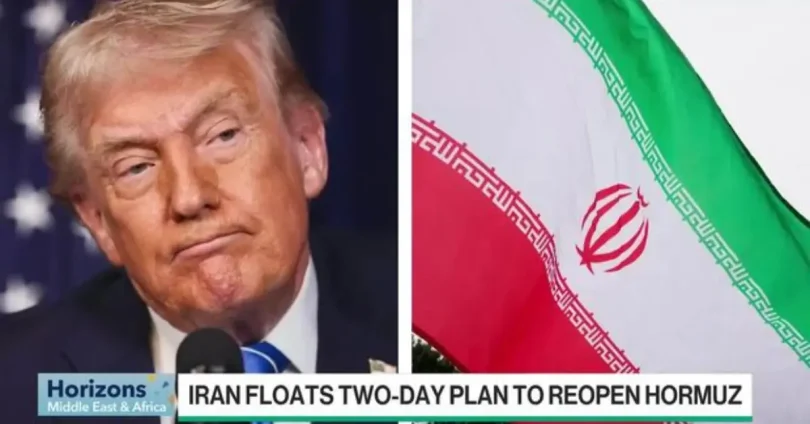

US Iran War News remains a major international topic as tensions between the United States and Iran continue to affect the Middle East, global oil markets, and international security. As of October 29, 2026, diplomatic efforts are continuing, but the possibility of renewed military action remains a serious concern. Recent reports indicate that regional mediators are working to find a path toward ending the conflict, while disagreements over nuclear activities, sanctions, and shipping routes continue to complicate negotiations.
In this article, you will learn about the latest developments, the reasons behind the conflict, ongoing peace efforts, and how the situation could affect ordinary people around the world.
Latest US Iran War News
The latest developments show a complicated situation in which diplomatic efforts and military preparations are taking place at the same time.
According to recent news reports, the United States has warned regional allies to prepare for the possibility of renewed strikes against Iran after the November 3 US midterm elections. However, no final decision to launch a new military operation has been publicly confirmed.
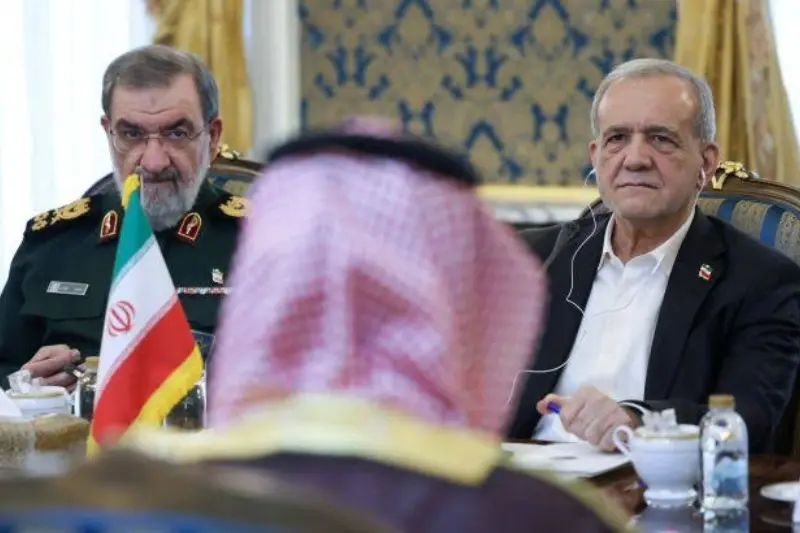
At the same time, diplomatic efforts are continuing through regional mediators, including Qatar. Discussions have focused on ending the conflict, reopening important shipping routes, and addressing disagreements between Washington and Tehran.
Iran has indicated that diplomacy remains possible, although Iranian officials have raised objections to proposals reportedly presented during recent negotiations. These developments suggest that a peaceful settlement remains possible, but significant obstacles remain.
Why Did the US-Iran War Begin?
The conflict between the United States and Iran developed from years of tension over nuclear activities, regional security, economic sanctions, and military influence.
In February 2026, the United States and Israel launched strikes against Iran, marking a major escalation. The attacks targeted Iranian military and nuclear-related infrastructure and killed several senior Iranian officials, including Supreme Leader Ali Khamenei, according to conflict reporting.
The fighting subsequently expanded into a wider regional crisis, affecting security arrangements, energy markets, and maritime activity.
Several major issues remain at the center of the conflict:
- Iran’s nuclear program: The United States wants significant restrictions on Iran’s nuclear activities.
- Economic sanctions: Iran seeks relief from sanctions that have placed pressure on its economy.
- Regional security: Both countries have competing security interests across the Middle East.
- Maritime access: The Strait of Hormuz has become a major point of disagreement.
- Military influence: Both sides have concerns about military deployments and regional allies.
Resolving these issues will be essential to achieving a lasting peace agreement.
US and Iran Peace Talks: What Is Happening?
Diplomacy remains one of the most important parts of the current situation. Regional governments are trying to prevent another major escalation and encourage both countries to reach an agreement.
Recent reports indicate that Qatar has been involved in efforts to develop a proposal aimed at ending the war. The discussions reportedly include reopening the Strait of Hormuz and addressing sanctions-related concerns.
However, the negotiations have faced difficulties. Iranian officials have rejected some ideas as unacceptable, while Washington continues to seek meaningful commitments concerning Iran’s nuclear program.
A successful agreement could require several steps:
- Agreement on a framework to stop military operations.
- Arrangements for safe commercial shipping through the Strait of Hormuz.
- Progress on nuclear monitoring and restrictions.
- Discussions about sanctions and economic relief.
- A system for monitoring compliance and preventing renewed fighting.
Until both sides agree on these issues, the future of the conflict will remain uncertain.
You may also like to read this:
MD 360 News: Latest Jobs, Scholarships And Updates
Tamil News: Latest Updates, Breaking News And Headlines
Iran Israel News: Latest Updates And Conflict Developments
Mumbai News Today: Latest City News And Live Updates
Dharmendra Latest News Today: Life, Family And Film Career
Could the US Attack Iran Again?
The possibility of renewed military action is one of the biggest questions in current US Iran War News.
Recent reporting says US officials have advised several Middle Eastern countries to prepare for potential renewed strikes after the November 3 midterm elections. Reports have also described military preparations intended to give the US president additional options.
However, military preparation does not necessarily mean an attack will take place. President Donald Trump has not publicly confirmed a final decision to begin another campaign.
Iran has also warned of the potential consequences of further attacks. Any renewed military operation could lead to retaliation, threaten regional infrastructure, and increase risks for commercial shipping.
For now, the situation should be understood as a period of heightened tension rather than confirmation that another major attack is inevitable.
Why Is the Strait of Hormuz So Important?
The Strait of Hormuz is one of the world’s most important energy shipping routes. It connects the Persian Gulf with the Gulf of Oman and provides a critical passage for oil and other energy products.
Disruptions in this narrow waterway can affect international trade, energy supplies, and fuel prices.
The conflict has increased concerns about the safety of ships traveling through the area. Reports of maritime incidents and disputes over access have added pressure to already tense negotiations.
If shipping restrictions continue, several consequences could follow:
- Higher transportation and insurance costs.
- Increased uncertainty in international oil markets.
- Potential delays in energy deliveries.
- Higher fuel costs for businesses and consumers.
- Additional economic pressure on countries that depend on imported energy.
Reopening the route safely is therefore an important part of ongoing diplomatic discussions.
How Is the War Affecting Oil Prices?
Oil prices are closely connected to developments in the US-Iran conflict because the Middle East plays a major role in global energy production and transportation.
On October 29, Reuters reported that oil prices had declined as hopes for renewed peace talks helped offset concerns about further military escalation. The report placed Brent crude at around $114.10 per barrel and US West Texas Intermediate at around $101.45 per barrel at the time of reporting.
These figures represent reported market levels on that date, not guaranteed current prices.
If negotiations make progress, oil markets may become more stable. However, renewed attacks or further disruptions to shipping could push prices higher again.
Higher oil prices can affect more than fuel stations. They may also increase the cost of electricity generation, food transportation, manufacturing, and other everyday services.
Impact of the US-Iran War on Pakistan
Pakistan has reasons to closely monitor the conflict because of its geographic proximity to Iran, its economic relationship with regional energy markets, and its dependence on imported fuel.
The effects will depend on how the conflict develops and whether shipping disruptions or higher energy prices continue.
1. Petrol and Diesel Prices
If international oil prices remain elevated, Pakistan could face increased fuel import costs. The final effect on domestic petrol and diesel prices would also depend on the exchange rate, taxes, government pricing decisions, and other factors.
2. Inflation and Household Expenses
Higher transportation and energy costs can put pressure on food prices, business expenses, and household budgets. Families with limited incomes may be particularly affected.
3. Regional Security
Continued fighting could create additional diplomatic and security challenges for countries across the region. Pakistan has an interest in preventing further escalation and supporting peaceful solutions.
4. Trade and Economic Confidence
Uncertainty in international markets can affect investment decisions, shipping costs, and business confidence. A lasting peace agreement could help reduce some of these risks.
For people in Pakistan, it is important to follow confirmed information about fuel prices, government announcements, and developments affecting regional trade rather than relying on unverified social media claims.
How Much Has the War Cost the United States?
The conflict has also created a significant financial burden for the United States.
According to a recent estimate from US military Central Command reported by CBS News, the war had cost approximately $47.1 billion through mid-October 2026.
The reported estimate includes substantial spending on ammunition, military operations, and equipment replacement. It does not fully account for all possible costs, including damage to US military bases in the region.
Military expenditure can place pressure on public finances and raise questions about how long a conflict can continue without a diplomatic settlement.
The ultimate economic cost will depend on the duration of the fighting, future military decisions, reconstruction needs, and the outcome of negotiations.
How Is the War Affecting Ordinary Iranians?
The conflict is not only about governments and military operations. It also affects ordinary people who must manage daily expenses, uncertainty, and disruptions to their lives.
Recent reporting from Reuters has described Iranian households cutting back on essential purchases and postponing personal plans as the war-hit economy comes under pressure.
Economic difficulties can affect access to goods, employment opportunities, savings, and family budgets. Continued uncertainty may also discourage businesses from investing or expanding.
For civilians, a lasting agreement could provide greater economic stability and reduce the risks associated with further fighting.
Any long-term recovery, however, would depend on security conditions, economic policy, access to trade, and the possible easing of sanctions.
What Could Happen Next in the US-Iran Conflict?
Several possible developments could shape the coming weeks.
Scenario 1: A Diplomatic Agreement
If the United States and Iran reach an agreement through mediation, both sides could take steps toward ending military operations. Progress on maritime access, nuclear monitoring, and sanctions could help create a foundation for a broader settlement.
Scenario 2: Continued Negotiations Without a Final Deal
The two countries could continue exchanging proposals while maintaining pressure on each other. This could prolong uncertainty even if large-scale fighting does not immediately resume.
Scenario 3: Renewed Military Escalation
If negotiations fail and military action resumes, the conflict could spread further across the region. Shipping, energy infrastructure, and regional security could face additional risks.
These are possible scenarios, not confirmed predictions. The actual outcome will depend on decisions made by the governments involved and the progress of diplomatic efforts.
How to Follow Reliable US Iran War News
When following a fast-changing international conflict, it is important to separate confirmed developments from speculation.
Here are a few practical ways to stay informed:
- Check the publication date and time of each news report.
- Compare major developments across multiple established news organizations.
- Look for official statements from governments and relevant international bodies.
- Treat unverified videos, dramatic headlines, and anonymous social media posts cautiously.
- Distinguish between confirmed military action and reports about possible future operations.
- Recheck information before sharing it with friends or publishing it online.
These steps can help you understand the situation without being misled by outdated information or rumors.
Conclusion
The latest US Iran War News highlights a conflict that continues to create serious challenges for the Middle East and the wider international community. As of October 29, 2026, peace efforts are continuing, but disagreements over nuclear activities, sanctions, and the Strait of Hormuz remain major obstacles.
The possibility of renewed military action has increased uncertainty, although no final decision to launch another campaign has been publicly confirmed. The outcome will matter not only to the United States and Iran but also to countries such as Pakistan that are sensitive to regional security and global energy prices.
For readers, the best approach is to follow verified reporting, monitor diplomatic developments, and avoid treating predictions as confirmed events. A lasting agreement could reduce regional tensions and provide greater stability for businesses, families, and international markets.
Frequently Asked Questions About US Iran War News
1. What is the latest US Iran War News?
US Iran War News focuses on developments in the conflict between the United States and Iran, including military tensions, diplomatic negotiations, regional security, and possible peace agreements. Check trusted news sources for the latest verified updates.
2. Why are the United States and Iran at war?
The conflict is linked to longstanding disagreements over Iran’s nuclear program, economic sanctions, regional influence, and security concerns. Military action in 2026 significantly escalated tensions between the two countries.
3. Are the US and Iran holding peace talks?
Diplomatic efforts and mediation have been important parts of attempts to end the conflict. However, negotiations do not necessarily mean that a final peace agreement has been reached.
4. Could the United States attack Iran again?
Further military action remains a possibility during periods of heightened tension, but predictions are uncertain. Readers should distinguish between reports of military preparations and confirmed decisions to launch attacks.
5. How is the US-Iran war affecting oil prices?
The conflict can influence oil prices because the Middle East is a major energy-producing region. Disruptions to oil production or shipping routes may increase prices, while progress in peace negotiations can ease market concerns.