
Introduction
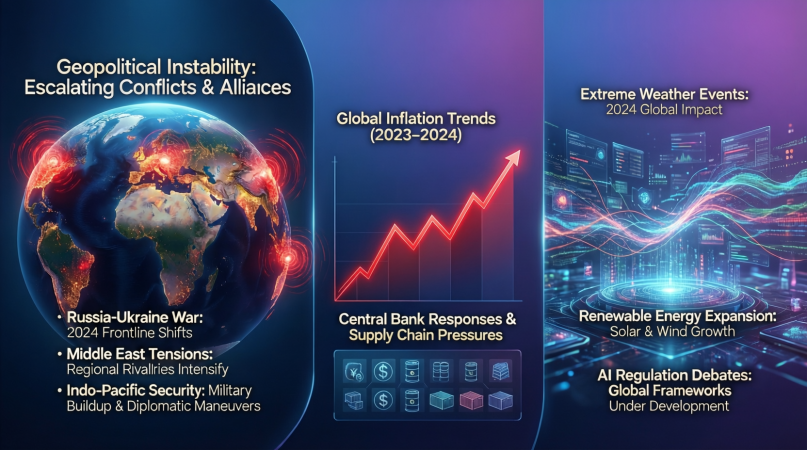
Understanding current events is no longer optional in today’s fast-moving world. News travels faster than ever, and what happens in one place can affect people everywhere. From changes in the economy to technology shifts, global conflicts, climate discussions, and social movements, current events shape daily life in visible and invisible ways. For students, professionals, and everyday readers, staying informed builds awareness, confidence, and better decision-making skills.
Many people feel overwhelmed by headlines. News often sounds complex, negative, or confusing. As a result, readers either avoid it or follow it without fully understanding the meaning behind the stories. This gap creates misinformation, panic, or careless opinions. Learning how to read, understand, and analyze current events helps you separate facts from noise.
This guide explains current events in simple English. It breaks down what they are, why they matter, and how you can follow them step by step without stress. The goal is clarity, not fear. Whether you are a beginner trying to understand the news or an intermediate reader wanting deeper insight, this article will help you build a strong foundation.
By the end, you will know how to track current events confidently, understand their impact, and use that knowledge in daily conversations, studies, and decisions.
What Are Current Events?
Current events are recent or ongoing happenings that affect society at local, national, or global levels. These events are usually reported through news channels, websites, and official announcements.
They can include:
- Political decisions and elections
- Economic changes like inflation or market shifts
- International conflicts or peace talks
- Scientific and technological developments
- Climate and environmental issues
- Social movements and cultural changes
Unlike historical events, current events are still developing. Facts may update daily, and outcomes are not always clear. This makes understanding them both challenging and important.
Current events help people understand how the world is changing right now. They connect everyday life to bigger systems such as government, technology, and the economy.
Why Are Current Events Important?
Current events matter because they influence real-world decisions and long-term trends. Ignoring them can leave people unprepared for change.
Key reasons they are important include:
- They affect prices, jobs, and personal finances
- They shape laws and public policies
- They influence education, health, and safety
- They impact global relationships and travel
- They guide future planning and career choices
When people understand current events, they can respond instead of reacting. Knowledge reduces fear and improves judgment.
Detailed Step-by-Step Guide to Understanding Current Events
Step 1: Choose Reliable News Sources
Start by selecting trustworthy platforms. Avoid sensational headlines designed only to shock.
Good sources usually:
- Report facts before opinions
- Correct mistakes openly
- Use clear language
Step 2: Read Beyond Headlines
Headlines summarize but often oversimplify. Reading full articles gives context and accuracy.
Step 3: Understand the Background
Every event has history. Learning what led to the situation helps you understand why it matters now.
Step 4: Identify Key Stakeholders
Ask:
- Who is involved?
- Who benefits?
- Who is affected negatively?
This step brings clarity.
Step 5: Separate Facts from Opinions
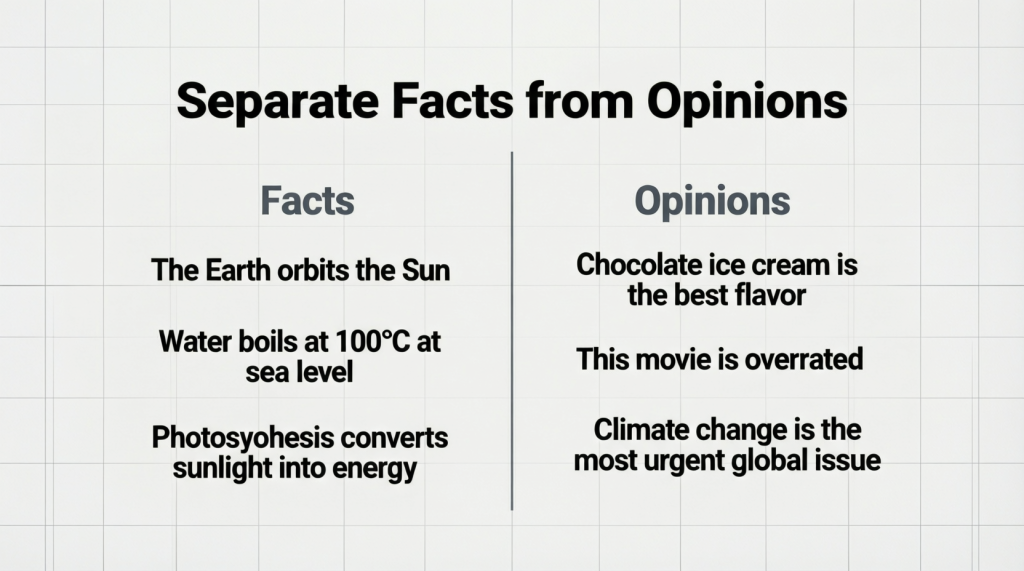
Facts are verified information. Opinions interpret those facts. Mixing them causes confusion.
Step 6: Follow Updates Carefully
Many current events evolve. New information may change earlier understanding.
Step 7: Reflect and Discuss
Thinking critically and discussing with others strengthens understanding.
Benefits of Following Current Events
- Builds awareness and confidence
- Improves critical thinking skills
- Helps in education and exams
- Supports better financial decisions
- Encourages informed conversations
- Prepares you for change
Staying informed about current events makes you more adaptable and knowledgeable.
Disadvantages and Risks
- Information overload
- Exposure to misinformation
- Emotional stress from negative news
- Time consumption
- Bias from unreliable sources
Balancing news intake is essential.
Common Mistakes to Avoid
Many people misunderstand current events due to simple errors.
Avoid these mistakes:
- Believing everything instantly
- Relying on a single source
- Confusing opinions with facts
- Ignoring context
- Sharing unverified information
Awareness prevents misunderstanding.
Frequently Asked Questions
What is the best way to follow current events daily?
Spend 15 to 30 minutes with trusted sources and avoid constant checking.
Are current events always political?
No. They include technology, health, science, environment, and culture.
Why do news stories change over time?
Because new facts emerge as situations develop.
How can beginners understand complex news?
Start with summaries, then read detailed explanations slowly.
Is social media reliable for current events?
It can help discover topics but should not be the main source.
How do current events affect students?
They improve general knowledge and help in exams and discussions.
Expert Tips and Bonus Points
- Keep a simple news journal
- Compare multiple viewpoints
- Focus on understanding, not reacting
- Limit emotional news consumption
- Learn basic economic and political terms
Consistency matters more than quantity.
Conclusion
Following current events is one of the most valuable habits in modern life. It connects individuals to the world around them and builds awareness that supports smarter choices. While news can feel overwhelming, learning a structured approach makes it manageable and useful.
Current events are not just headlines. They reflect real changes affecting society, economy, technology, and daily routines. Understanding them reduces confusion and misinformation. It also helps people communicate better and think critically.
You do not need to know everything. You only need a steady habit of learning, questioning, and reflecting. Choose reliable sources, read with patience, and stay open to updates. Over time, understanding grows naturally.
In a world that changes quickly, knowledge is stability. By staying informed about current events, you equip yourself with clarity, confidence, and readiness for the future.