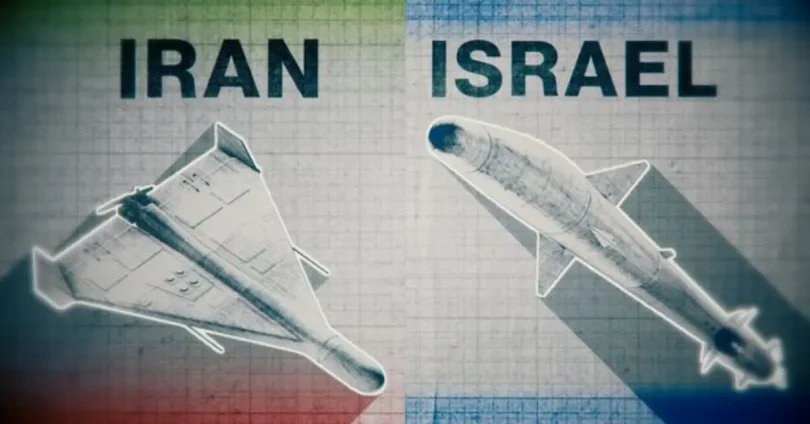

Iran Israel news continues to attract worldwide attention as tensions between Iran and Israel remain a major concern for the Middle East and the international community. The conflict involves political disagreements, military threats, nuclear concerns, and competition for influence across the region. It also affects international diplomacy, oil prices, trade, and regional security.
If you are following the latest Iran Israel news, it is important to understand what is happening, why the two countries are in conflict, and how their decisions could affect other nations. The situation can change quickly, making it essential to distinguish confirmed developments from unverified reports.
Latest Iran Israel News Today
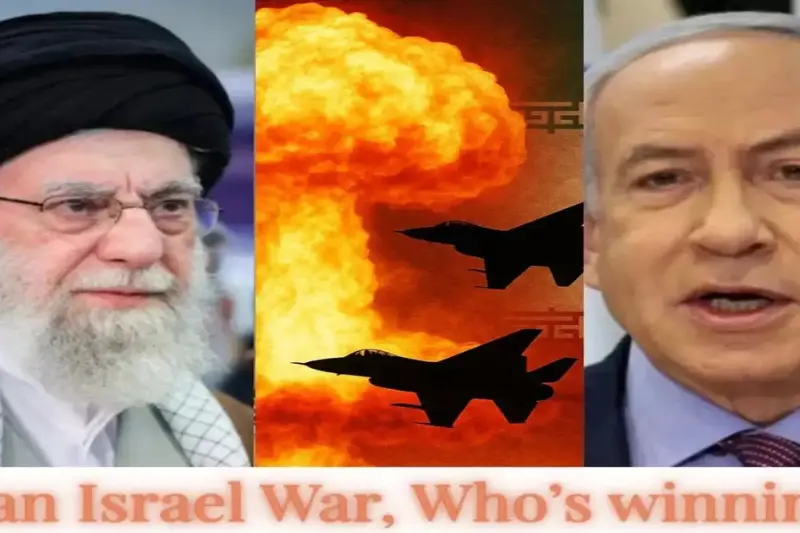
The latest Iran Israel news focuses on diplomatic efforts, military preparedness, regional security, and concerns about renewed fighting.
Several major issues continue to shape the situation:
- Diplomatic negotiations: Communication involving Iran, the United States, and international intermediaries remains important to efforts to reduce tensions.
- Israel’s security concerns: Israeli leaders continue to emphasize the country’s need to defend itself against potential threats.
- Iran’s regional position: Iran’s nuclear programme and relationships with regional armed groups remain major points of disagreement.
- Military developments: Any new strikes, threats, or retaliatory actions could increase tensions across the Middle East.
- International concerns: Governments around the world are watching developments because a wider conflict could affect global trade and energy supplies.
It is important to remember that diplomatic discussions do not necessarily mean an agreement has been reached. Similarly, military warnings do not automatically mean another attack is imminent. Always check the date and reliability of reports before accepting breaking news as confirmed.
Why Are Iran and Israel in Conflict?
The conflict between Iran and Israel has developed over several decades. Both countries have different political objectives and security priorities, which have contributed to continued hostility.
1. Iran’s Nuclear Programme
One of the biggest sources of tension is Iran’s nuclear programme. Israel considers the possibility of Iran developing nuclear weapons a serious security threat.
Iran has maintained that its nuclear activities serve peaceful purposes. However, concerns about nuclear enrichment, international inspections, sanctions, and security guarantees have made negotiations difficult.
This issue remains central to diplomatic discussions because any progress or setback could influence relations between the two countries.
2. Regional Influence
Iran and Israel compete for influence across the Middle East. Iran supports several regional armed groups, including Hezbollah in Lebanon and the Houthis in Yemen.
Israel views certain groups supported by Iran as security threats. Iran, meanwhile, considers its regional relationships part of its broader political and security strategy.
These competing interests mean that tensions between Iran and Israel can affect other countries, even when direct fighting is limited.
3. Military Attacks and Retaliation
Military strikes and retaliatory actions have increased hostility between the two countries.
Each side often presents its actions as necessary for national security. However, retaliation can create a cycle in which one attack leads to another, making diplomatic solutions more difficult.
This is why international observers pay close attention to military movements, official statements, and attempts to negotiate a reduction in hostilities.
What Role Does the United States Play?
The United States plays an important role in the Iran-Israel conflict because of its close relationship with Israel and its wider interests in Middle Eastern security.
Its involvement includes several key areas:
- Supporting Israel’s security and defensive capabilities.
- Addressing concerns about Iran’s nuclear programme.
- Using economic sanctions as a means of political pressure.
- Participating in diplomatic negotiations and mediation efforts.
- Protecting regional stability and important shipping routes.
The United States must also consider the potential economic and security consequences of a wider regional war.
Diplomatic negotiations may offer a way to reduce tensions, but disagreements over nuclear restrictions, sanctions, and security commitments can make progress challenging.
How Does the Conflict Affect the Middle East?
The Iran-Israel conflict has consequences beyond the two countries. Increased tensions can affect neighboring nations, regional businesses, transportation networks, and civilian populations.
Security Risks for Neighboring Countries
Countries such as Lebanon, Syria, Iraq, Jordan, and those in the Gulf region may face increased security concerns when hostilities intensify.
The risk depends on the scale of military operations, the involvement of regional armed groups, and the responses of neighboring governments.
A wider conflict could also put civilian infrastructure, public services, and humanitarian operations at risk.
Shipping and International Trade
Shipping routes are particularly important during periods of regional instability. The Strait of Hormuz is one of the world’s most significant energy transportation routes.
If shipping through this area is disrupted, the consequences could extend far beyond the Middle East. Businesses may face higher transportation costs, while energy-importing countries could experience additional economic pressure.
For this reason, maritime security is an important part of discussions about regional stability.
Humanitarian Concerns
The human cost of conflict can be severe. Civilians may face displacement, injuries, loss of family members, and shortages of essential supplies.
Military escalation can also damage hospitals, homes, electricity networks, and water systems.
Protecting civilians and allowing humanitarian assistance to reach people in need should remain important priorities during any conflict.
You may also like to read this:
US Iran News Today: Latest Developments And Analysis
Latest Dharmendra News: Movies, Family And Career Highlights
MD 360 News: Latest Jobs, Scholarships And Updates
Tamil News: Latest Updates, Breaking News And Headlines
How Could Iran Israel Tensions Affect Oil Prices?
If you follow financial news, you may wonder how the Iran-Israel conflict could affect oil prices and the global economy.
The Middle East is an important region for international energy supplies. When tensions threaten oil production or shipping routes, markets may react to the possibility of supply disruptions.
Potential economic effects include:
- Higher oil prices: Concerns about reduced supply can push prices upward.
- Increased fuel costs: More expensive oil can raise the cost of petrol, diesel, and transportation.
- Higher inflation: Rising energy and shipping costs may increase the prices of everyday goods.
- Financial market uncertainty: Investors may become more cautious during periods of geopolitical instability.
- Pressure on importing countries: Nations that rely heavily on imported fuel may face larger import bills.
For Pakistan, a sustained increase in international oil prices could put pressure on fuel prices, transportation costs, electricity generation expenses, and inflation.
However, oil prices do not always rise when tensions increase. Global supply, demand, government policies, and market expectations also influence prices.
Are Iran and Israel Heading Toward Another War?
One of the most common questions people ask when searching for Iran Israel news is whether another major war could begin.
The possibility of renewed military action depends on several factors, including diplomatic progress, military decisions, and the responses of regional actors. It is not possible to predict the outcome with certainty.
Factors That Could Increase Tensions
Several developments could increase the risk of further fighting:
- A new military strike against Iranian or Israeli targets.
- The breakdown of diplomatic negotiations.
- Attacks by regional armed groups.
- Further disagreements over Iran’s nuclear programme.
- Disruptions to important shipping routes.
- Retaliatory actions following an attack.
Factors That Could Reduce Tensions
Other developments could help prevent escalation:
- Successful diplomatic negotiations.
- A ceasefire or agreement to limit military activity.
- Progress on nuclear restrictions and security guarantees.
- International mediation between the parties.
- Arrangements to protect shipping and civilian infrastructure.
The future will depend on whether the countries involved choose further confrontation or make meaningful progress toward reducing tensions.
What Should Readers Watch for in Iran Israel News?
When following breaking news, it helps to focus on developments that could significantly change the situation.
Official Government Statements
Statements from Iranian, Israeli, and American officials can provide information about military decisions, diplomatic positions, and possible negotiations.
However, official statements should be considered alongside independently verified reporting.
Verified Military Developments
Reports of airstrikes, missile attacks, military movements, or casualties can spread quickly during a crisis.
Check whether multiple credible news organizations have confirmed the information before sharing it.
Diplomatic Negotiations
Announcements about mediation, ceasefires, or nuclear agreements may indicate changes in the political situation.
Nevertheless, negotiations can take time, and early announcements do not always result in lasting agreements.
Oil Prices and Shipping Updates
Changes in international oil prices and shipping conditions can help readers understand the wider economic consequences of the conflict.
These developments are especially important for countries that depend on imported energy.
Frequently Asked Questions (FAQs)
1. What is Iran Israel news about?
Iran Israel news covers political tensions, military developments, nuclear negotiations, regional security, and diplomatic efforts involving Iran and Israel. It also examines how the conflict affects neighboring countries and the wider world.
2. Why are Iran and Israel enemies?
Their rivalry involves Iran’s nuclear programme, competition for regional influence, Israel’s security concerns, and Iran’s support for armed groups opposed to Israel. These issues have contributed to decades of political hostility and military tensions.
3. Is the United States involved in the Iran-Israel conflict?
Yes. The United States maintains a close security relationship with Israel and is involved in diplomatic efforts concerning Iran. American foreign policy and military decisions can influence the course of regional tensions.
4. Could the Iran-Israel conflict affect oil prices?
Yes. Threats to oil production or shipping routes can create uncertainty in global energy markets. The actual impact depends on the severity and duration of disruptions, as well as global supply and demand.
5. Could the conflict spread to other countries?
Yes. Escalation could affect neighboring countries through military operations, regional armed groups, shipping disruptions, and humanitarian emergencies. However, the scale of any wider conflict is uncertain.
Conclusion
Iran Israel news remains important because tensions between the two countries can affect regional security, international diplomacy, energy markets, and millions of people across the Middle East.
Understanding the background of the conflict helps you make sense of military developments, diplomatic negotiations, and economic consequences. Although renewed fighting remains a concern whenever tensions rise, escalation is not inevitable.
For the most accurate understanding, follow verified news reports, check publication dates, and avoid relying on unconfirmed social media claims. The future of relations between Iran and Israel will depend on political decisions, regional security developments, and whether diplomatic efforts can produce meaningful results.